Escaped youth tracked by Eagle helicopter, found hiding in New Brighton
The young person who escaped from a youth justice facility in Rolleston has been located...


The young person who escaped from a youth justice facility in Rolleston has been located...

A person has been seriously injured on State Highway 75, Christchurch Akaroa Road. A police...

BodyFix Gym Christchurch in Phillipstown has taken out two major honours at the Exercise New...

Local MPs have found areas of agreement on major Resource Management Act reforms, during a...

A series of public events have been organised across Christchurch and Lyttelton over the coming...

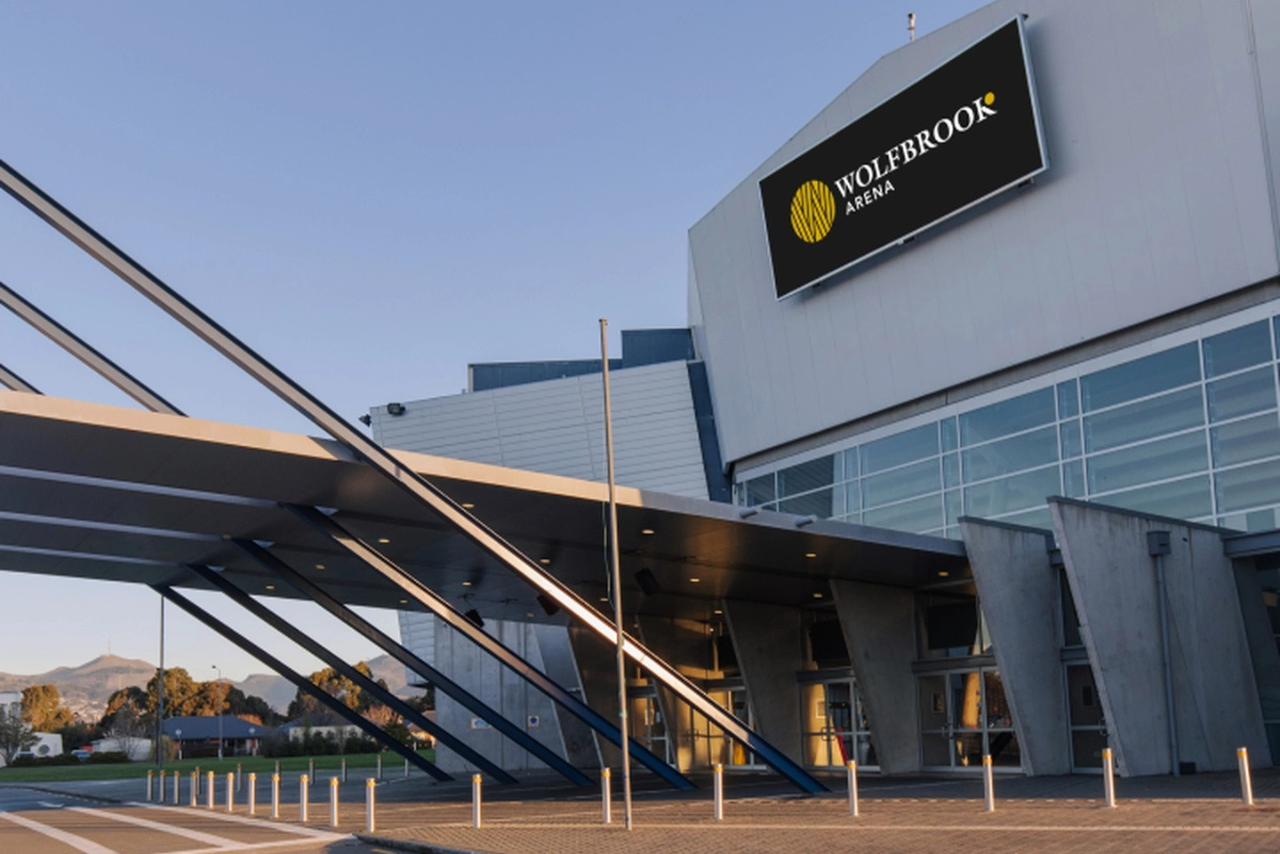
A woman was taken to hospital after a ‘water incident’ at Parakiore Recreation and Sport...


RNZ’s overall credit card limit rose from $400,000 to $1 million in the financial year it recorded an $11.8 million deficit.
The higher limit has come to light as RNZ prepares to cut jobs.
Multiple sources have told Chris Lynch Media staff are expected to find out today whether they will keep their jobs.
In written answers to Parliament’s Social Services and Community Committee about the previous financial year, 2024/25, RNZ said 141 staff had been issued purchase cards.
Individual limits ranged from $200 to $15,000 and added up to $342,200.
The broadcaster’s annual reports show its overall card limit increased by $600,000, or 150 percent, between June 2025 and June 2026.
The borrowing notes do not say how much RNZ spent on the cards.
In a response to chrislynchmedia.com, an RNZ spokesperson did not explain why the limit increased or say how many staff held cards under the higher limit.
“The independent review is expected to look at the causes of the financial result and examine why internal financial reporting did not accurately reflect RNZ’s position and the adequacy of financial controls, escalation, assurance and governance arrangements,” the spokesperson said.
“We are not commenting on matters that could pre-empt the independent review.”
RNZ said its board and management relied on inaccurate financial reports during the year and the broadcaster did not cut costs sufficiently after a seven percent reduction in baseline funding.
When it released its annual report on 9 November, RNZ announced plans to cut the equivalent of 58 full-time roles by the end of March 2027 and reduce operating costs by at least five percent.
An internal email obtained by Chris Lynch Media shows who will lead RNZ’s newsroom during that period. At 7.16pm on Thursday, acting chief executive Mark Stevens told news staff that Jeremy Rees would serve as acting chief news officer until 31 March.
“I’m especially grateful for his willingness to support me in this way and I hope you’ll all support him too. You’re in very capable hands,” Stevens said.
An RNZ source who supplied the email said Rees, one of the broadcaster’s executive editors, had previously served as acting head of news.
The source criticised the way staff had learned of management decisions while facing uncertainty about their own jobs.
“None of these decisions have been properly communicated to staff. These are big developments. They are being drip fed information when big decisions are made.”

Act Party Leader David Seymour
In an interview on The Platform on Friday morning, host Sean Plunket asked Caretaker Minister David Seymour whether RNZ would be solvent in four months without the proceeds of a $51 million land sale in West Auckland.
Seymour said that would depend on the decisions RNZ made.
The broadcaster would have to produce a plan to remain solvent, which the shareholding ministers would review.
“Clearly, what’s happened is that their accounting was wrong, and that means they need to adjust their plans. That’s why they’re now talking about letting go more staff than they previously anticipated.”
Seymour said Treasury and RNZ had yet to reach a final agreement on the sale proceeds.
He said Paul Goldsmith had told RNZ’s chair the money must come back to the Crown.
The decision rested with the board, but Seymour said RNZ had assured the minister it would return the money.
One unresolved question was how much, if any, RNZ could use for capital expenditure.
Seymour gave the example of replacing the broadcasting capacity RNZ would lose through the sale of its towers.
Seymour said he had been working with Treasury that week on the inquiry into RNZ’s finances.
He said incoming ministers needed the full facts before deciding whether anyone else should go and how the broadcaster should proceed.
Plunket asked whether RNZ needed a statutory manager and how Seymour could have confidence in the board. Seymour said the chief executive had already left.
“We do actually have to ask ourselves who’s left to put the thing back together.”