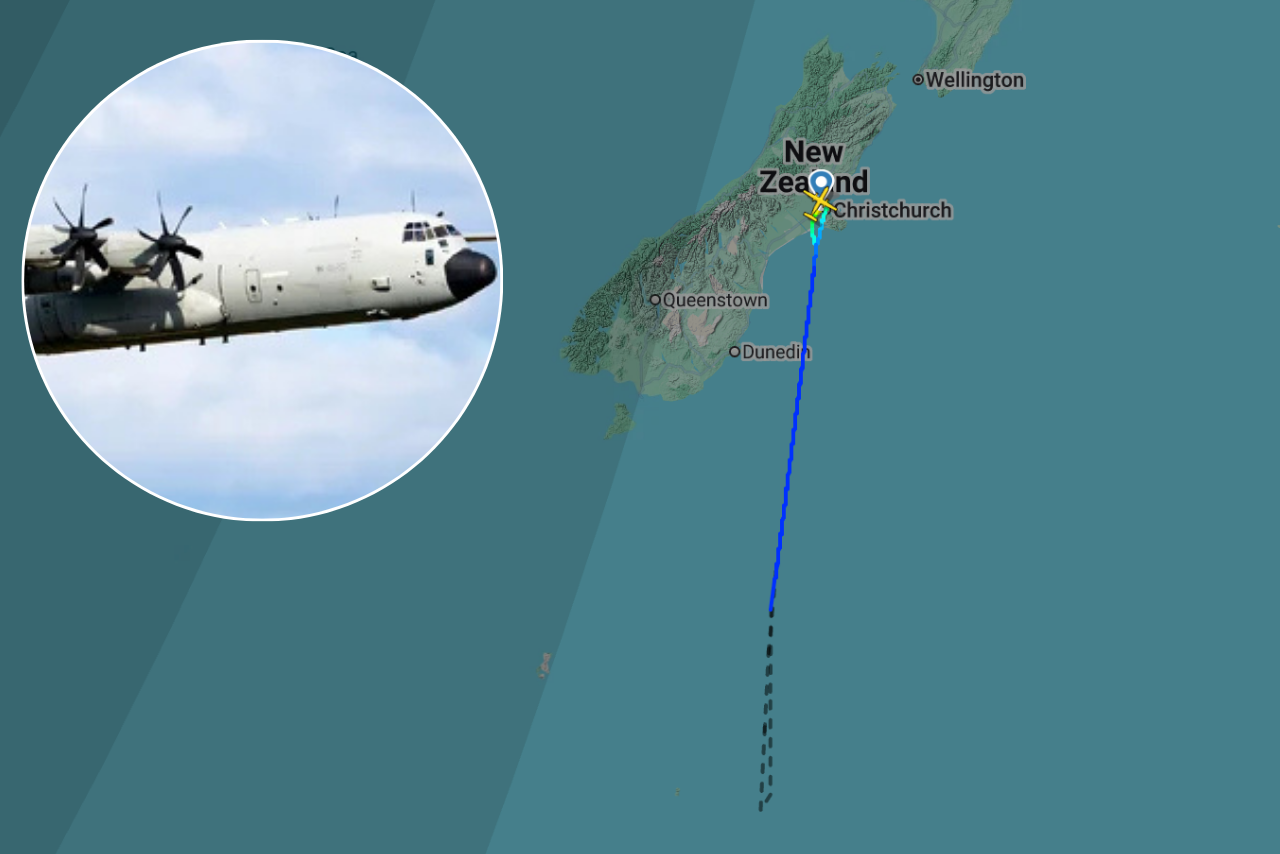
Escaped youth tracked by Eagle helicopter, found hiding in New Brighton
The young person who escaped from a youth justice facility in Rolleston has been located...


The young person who escaped from a youth justice facility in Rolleston has been located...

A person has been seriously injured on State Highway 75, Christchurch Akaroa Road. A police...

BodyFix Gym Christchurch in Phillipstown has taken out two major honours at the Exercise New...

Local MPs have found areas of agreement on major Resource Management Act reforms, during a...

A series of public events have been organised across Christchurch and Lyttelton over the coming...

A woman was taken to hospital after a ‘water incident’ at Parakiore Recreation and Sport...

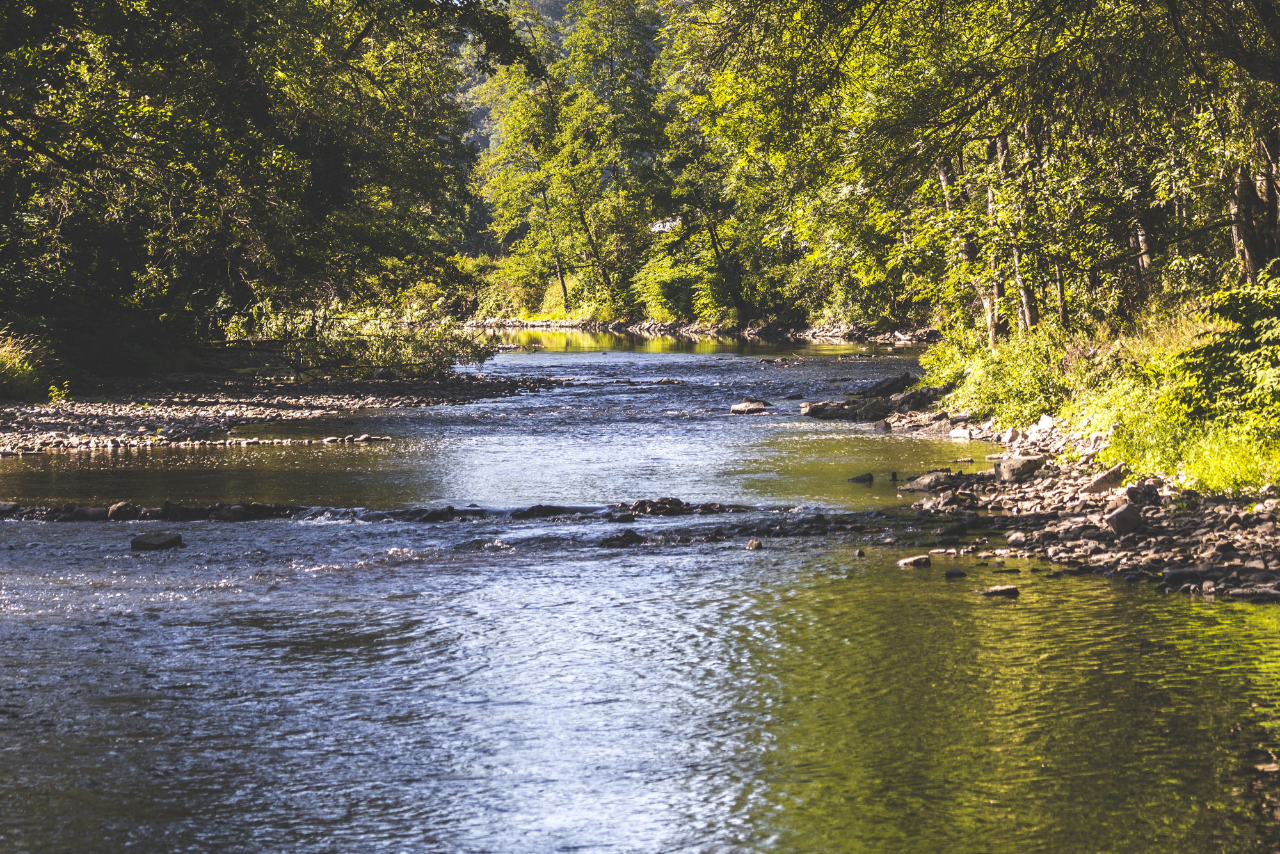
A dip at a favourite Canterbury swimming spot could come with an unwelcome extra this Labour Weekend, with bacteria and toxic algae among the hazards to check before heading into the water.
Environment Canterbury has released its water quality grades for the coming summer, with 71 per cent of monitored sites rated suitable for swimming and other activities involving contact with the water.
But those grades draw on results from the past five summers. They are not a guarantee of water quality on the day, and the council’s weekly summer sampling does not begin until mid November.
ECan Water and Land Manager Dr Elaine Moriarty said teams monitor 52 popular freshwater sites and 47 coastal sites each summer.
“Our teams collect water samples each week and test for faecal indicator bacteria, helping people make informed choices about where to swim,” she said.
Open coastal beaches performed strongly, with 95 per cent graded suitable for contact recreation. Among freshwater sites, 71 per cent were suitable, including 88 per cent of lake sites.
River results were more variable, particularly in urban and agricultural areas.
Sites graded suitable included the Rakaia River at the gorge, the Ōpihi River at SH79 near Fairlie, the Hakataramea River at SH82 and the Ashley River above Rangiora Loburn Bridge.
Those graded unsuitable included the Hurunui River at SH7, Selwyn River at Upper Huts, Ashburton River at SH1 and Temuka River at SH1.
Land, Air, Water Aotearoa (LAWA) advises avoiding swimming for at least two to three days after heavy or prolonged rain, even at locations that usually have good water quality. Runoff can carry contamination into waterways, and water quality can change between tests.
ECan also recommends the toe test: if swimmers cannot see their toes while standing knee deep, they should stay out.
Toxic algae is another concern, particularly as waterways become warmer and flows drop. It occurs naturally but can form blooms that produce toxins harmful to people and potentially fatal to dogs.
Algae can also appear beyond monitored swimming sites, meaning an absence of warning signs should not be treated as an assurance that a location is suitable.
During the previous summer, 30 temporary health warnings were issued across 27 Canterbury sites. Thirteen related to faecal contamination and 17 to toxic algae.
For people heading to Banks Peninsula, ECan is expanding its predictive water quality model to cover 15 sites in Lyttelton and Akaroa harbours this season.
Cass Bay’s main beach and Sandy Beach at Governors Bay have been added. The model uses monitoring records alongside weather and tidal conditions to produce hourly predictions of swimming suitability.
Sewage overflows and discharges last summer contributed to unsuitable long term grades at several harbour sites, although those grades do not necessarily reflect conditions on an individual day.
Water quality is only one part of choosing where to swim. LAWA also advises checking for strong currents, rips, submerged objects and steep drop offs, knowing personal limits and never swimming alone.