Escaped youth tracked by Eagle helicopter, found hiding in New Brighton
The young person who escaped from a youth justice facility in Rolleston has been located...


The young person who escaped from a youth justice facility in Rolleston has been located...

A person has been seriously injured on State Highway 75, Christchurch Akaroa Road. A police...

BodyFix Gym Christchurch in Phillipstown has taken out two major honours at the Exercise New...

Local MPs have found areas of agreement on major Resource Management Act reforms, during a...

A series of public events have been organised across Christchurch and Lyttelton over the coming...

A woman was taken to hospital after a ‘water incident’ at Parakiore Recreation and Sport...

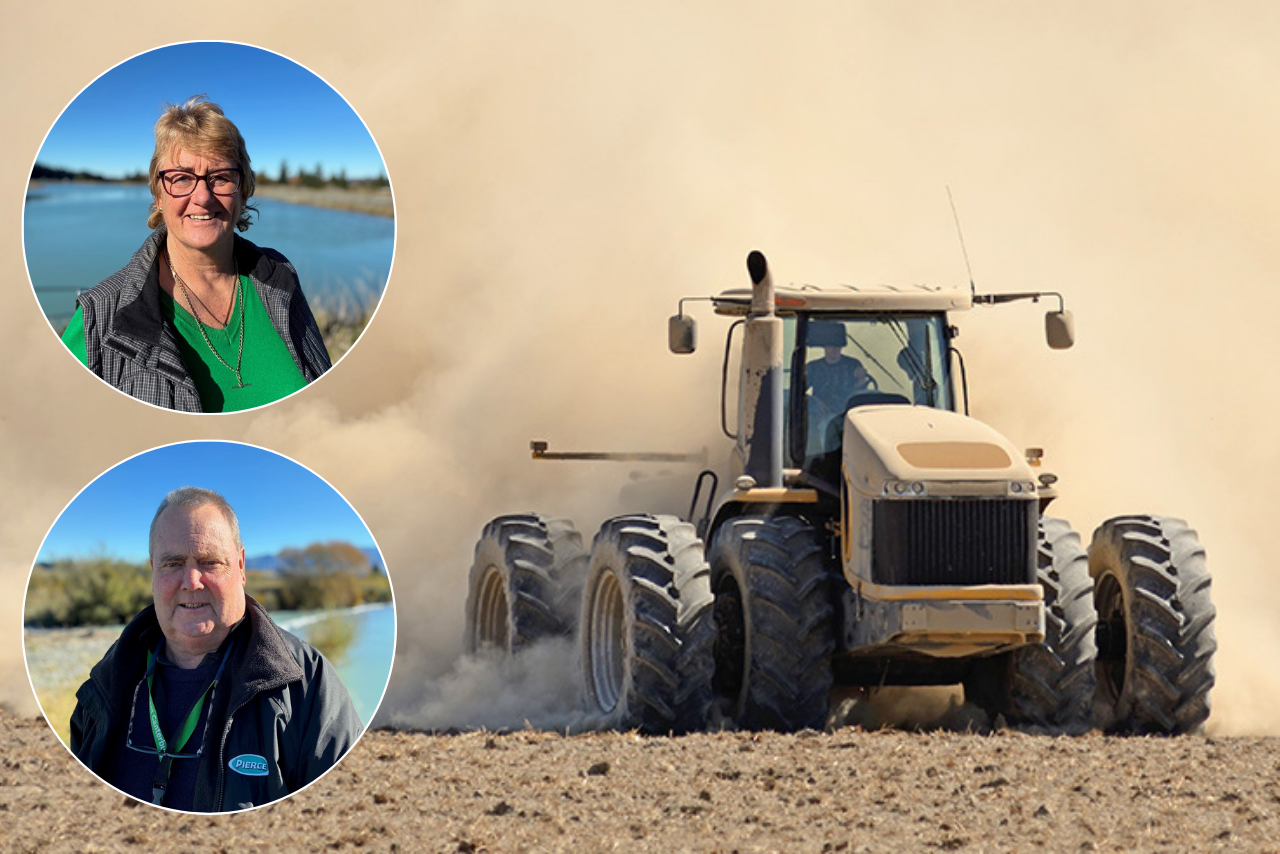
Borrowing to buy feed, selling stock and ending milking weeks early are experiences Canterbury farmers are urging others to learn from as a strengthening El Niño raises concerns about the coming summer.
Environment Canterbury is encouraging farmers, lifestyle block owners and residents to prepare for possible dry, windy conditions, with risks including water shortages, wildfires and pressure on rivers and streams.
For ECan councillor and North Canterbury farmer Claire McKay, the dry conditions of 2014 to 2016 brought pressure from several directions at once.
Feed became scarce and expensive, irrigation water was limited and production suffered.
“At the same time, dairy payouts fell sharply, so costs were increasing just as income was declining. That combination made it clear this was much more than a difficult season,” McKay told chrislynchmedia.com.
With a family member working as their sharemilker, McKay said they were trying to protect two businesses.
“We borrowed to get through, purchased supplementary feed, culled some cows early, and dried the herd off about six weeks sooner than normal.”
The strain reached beyond the farm accounts.
“The stress affected our family, including my partner’s mental wellbeing, and reinforced the importance of seeking support and looking after yourself, your family and your staff during difficult times.”
McKay said descriptions of farmers as resilient could obscure what families were experiencing behind the farm gate, particularly when drought coincided with other business or personal challenges.
Services such as the Rural Support Trust could offer practical help and somewhere to turn when the pressure became overwhelming.
One of her strongest lessons was to set clear points for making decisions about feed, stock numbers and production, backed by realistic budgets and contingency plans.
“During a drought, delaying a difficult call can make conditions much worse.”
She encouraged landowners to monitor local conditions and assess fire risks around their properties.
“My approach is to ‘panic slowly’,” she said.
“Don’t assume a drought is inevitable, but use the time available now to build resilience and be as prepared as possible.”
Fellow ECan councillor and farmer John Sunckell said the drought of 1987 remained the most memorable of his farming career.
“It was the relentless northwest winds that made it so challenging,” Sunckell told chrislynchmedia.com.
“Day after day, the wind stripped moisture from the land faster than we could replace it, and irrigation systems at the time weren’t as efficient as they are today.”
The duration and intensity affected both farming operations and people’s wellbeing.
Sunckell said a second consecutive dry year could be particularly difficult because feed and water reserves were depleted and increasingly expensive to replace.
Prolonged dry conditions could also put groundwater under pressure, making irrigation less reliable.
While irrigated farms generally had more options, those came at a cost. Dryland farmers could face heavy spending on feed followed by the forced sale of breeding stock into a difficult market.
“When conditions improve, they’re left with the cost of rebuilding those herds and flocks before they can fully recover.”
Sunckell urged farmers to use seasonal forecasts to plan early and make stock management decisions before their properties came under severe pressure.
Lifestyle block owners also needed to consider how quickly feed supplies could tighten and prices rise during widespread dry conditions.
“If they need to sell stock, they’ll be competing for processing and transport capacity at the same time as commercial farmers, so having a plan in place early is important.”
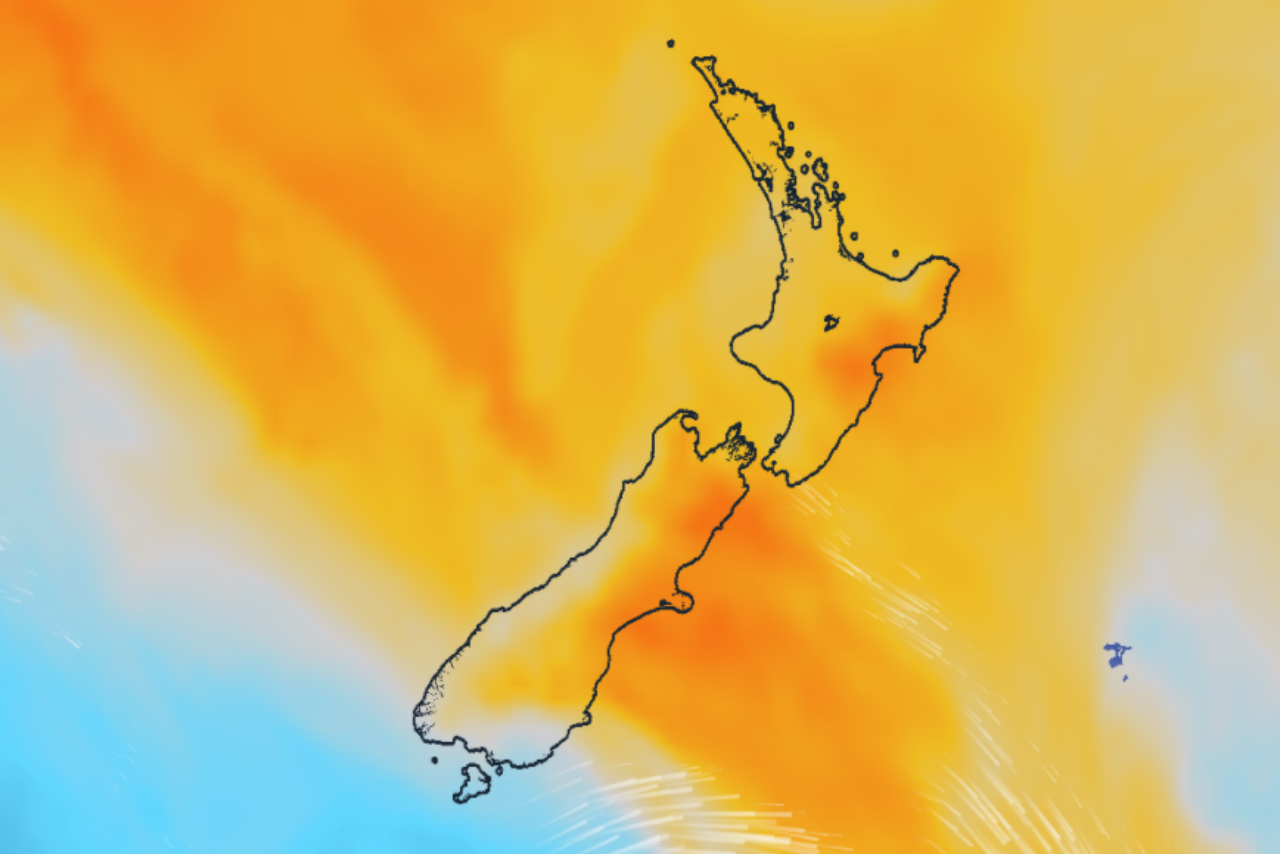
ECan said Banks Peninsula, North Canterbury and the Canterbury Plains were more likely to experience dry conditions and strong northwesterly winds over the coming months, although impacts would vary across the region.
Lower rainfall could reduce pasture growth, river flows and groundwater levels, while increasing dust, fire danger and water quality problems.
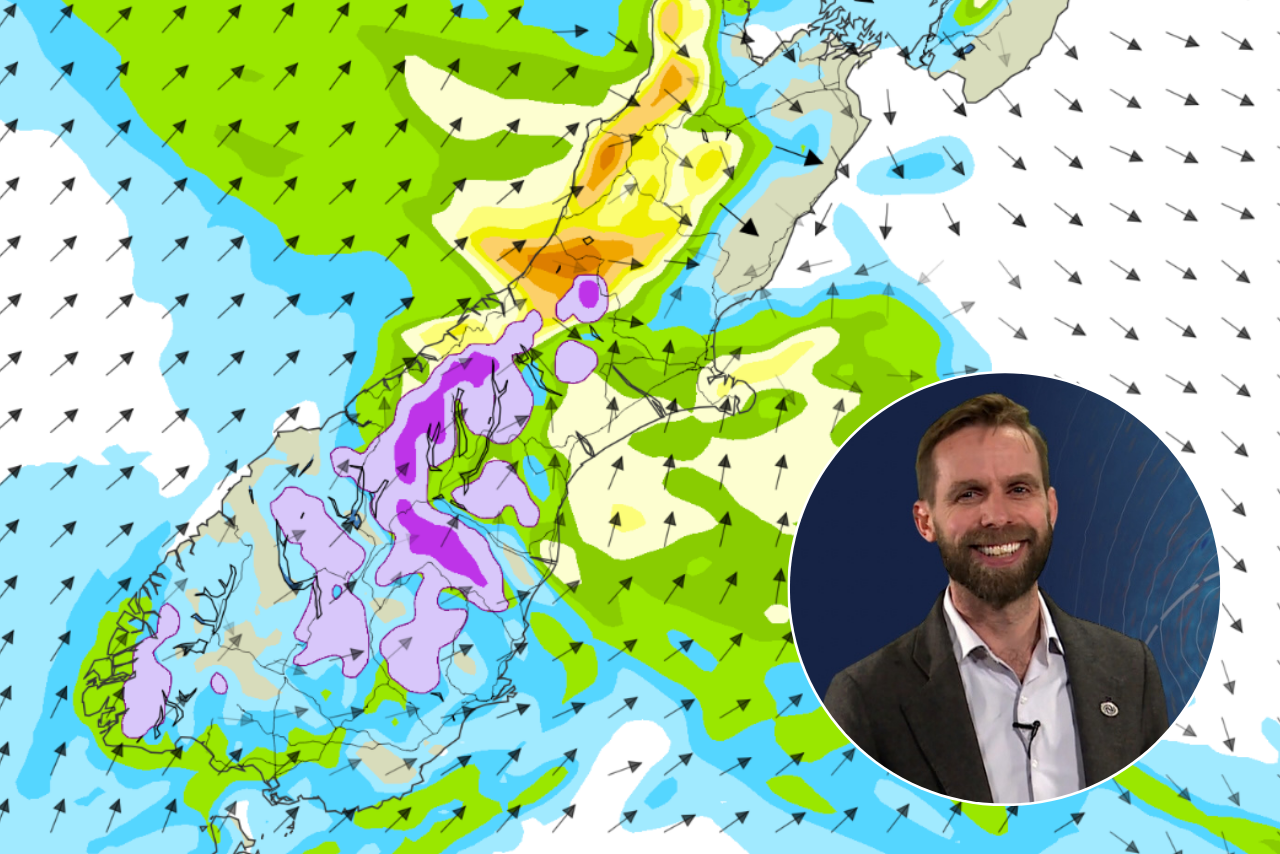
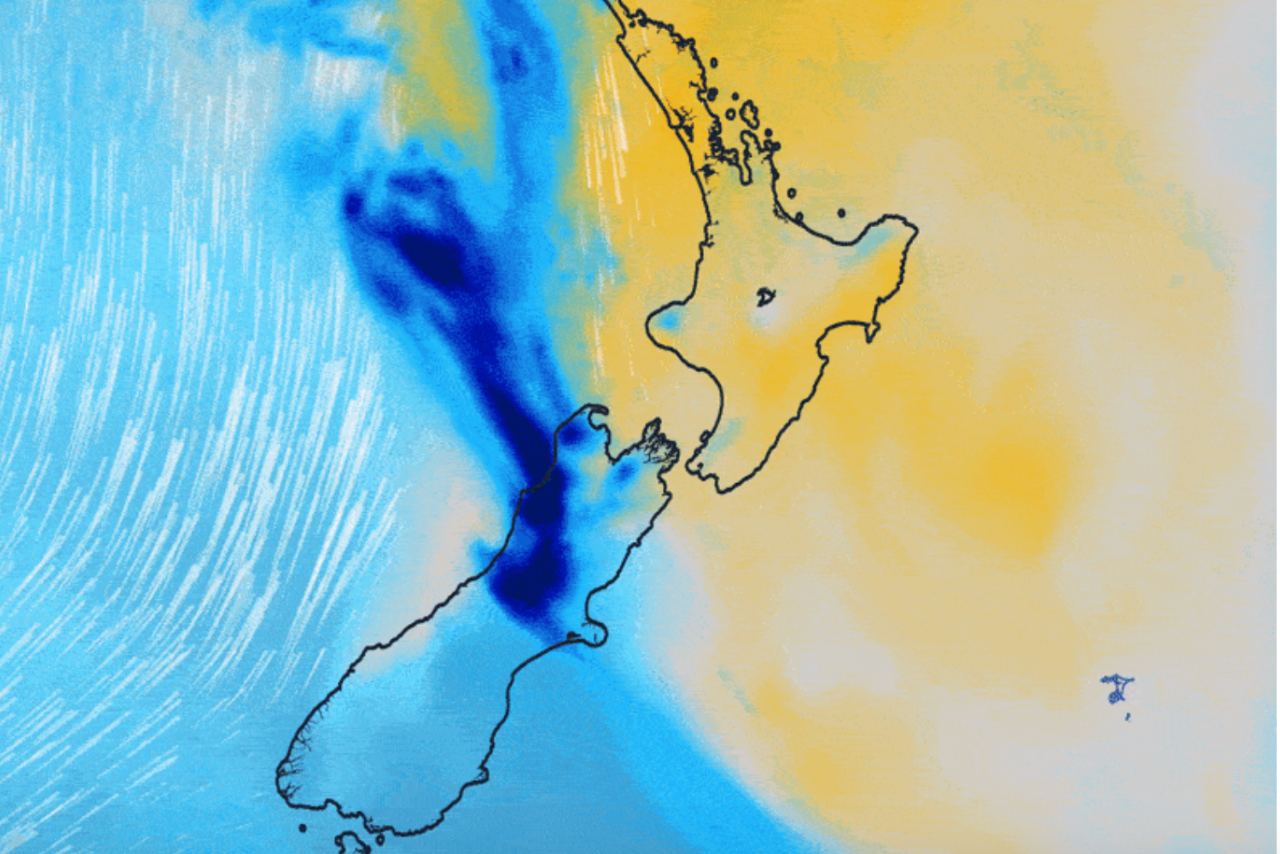
At the same time, ECan said more rainfall than usual was forecast for the Southern Alps. That could support alpine river and hydro lake levels, but also cause rivers to rise rapidly while conditions remained fine downstream.
Sunckell cautioned that mountain rainfall could not be taken for granted. Without it, alpine rivers could also fall and irrigation restrictions become a challenge.
ECan is monitoring rainfall, river flows, groundwater and water quality, and preparing for possible irrigation restrictions, toxic algal blooms and fish strandings.
Residents and visitors are being urged to follow advice from their drinking water supplier, check health warnings before swimming and monitor river conditions before heading out.
Landowners should also check fire restrictions and consider ignition risks from activities such as mowing or driving through long, dry grass.