Escaped youth tracked by Eagle helicopter, found hiding in New Brighton
The young person who escaped from a youth justice facility in Rolleston has been located...


The young person who escaped from a youth justice facility in Rolleston has been located...

A person has been seriously injured on State Highway 75, Christchurch Akaroa Road. A police...

BodyFix Gym Christchurch in Phillipstown has taken out two major honours at the Exercise New...

Local MPs have found areas of agreement on major Resource Management Act reforms, during a...

A series of public events have been organised across Christchurch and Lyttelton over the coming...

A woman was taken to hospital after a ‘water incident’ at Parakiore Recreation and Sport...

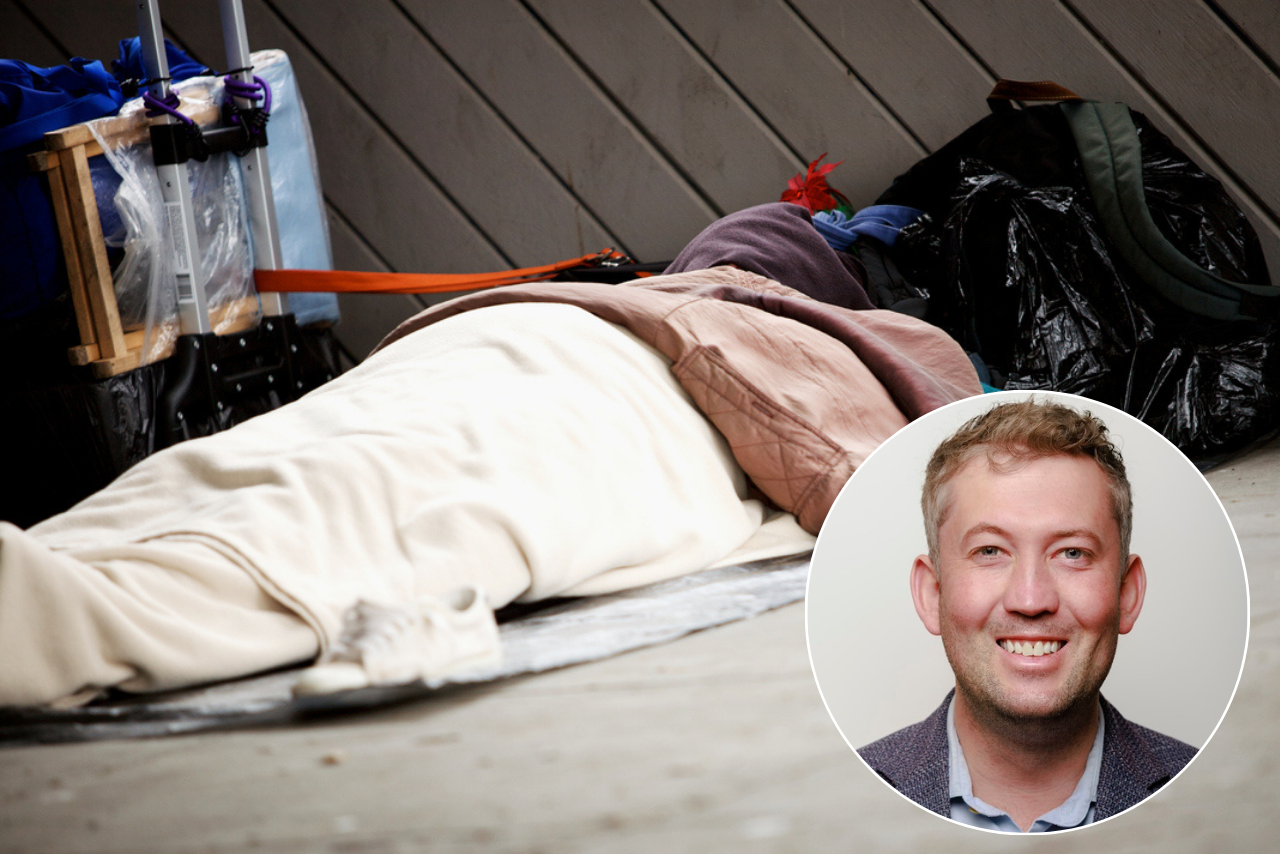
Christchurch Central Ward Councillor Jake McLellan has dismissed new police move on powers as an “election-year special”, while the City Mission has warned there is not enough housing for people who could be moved on.
The Terrace Executive Director James Gough has welcomed the legislation, but said enforcement must be accompanied by access to housing and support services.
The legislation has passed its final reading in Parliament and will allow police to order people aged 18 or older to leave specified public areas for up to 24 hours.
Justice Minister Paul Goldsmith’s office confirmed the powers would take effect one month after Royal assent.
Retail NZ has warned the orders could shift problems from one shopping area to another without addressing their causes, a concern McLellan shared.
“Move-on orders won’t work, and I don’t think the Police will use them,” he said.
He said moving people from the central city to Richmond, Linwood or Phillipstown would achieve little without addressing the underlying social or behavioural issues.
“I’m worried that the intensive services some people need will be forgotten because the Government has done something that ultimately won’t address the underlying issues.”
Christchurch City Missioner Corinne Haines told chrislynchmedia.com that many people who had been sleeping rough in the central city had already moved to places such as the red zone and outer suburbs.
She believed there was now less disruption in central Christchurch, with people displaying aggressive behaviour less visible than in the past.
However, the city lacked sufficient social and emergency housing for people who could be moved on, particularly those needing one bedroom units.
“Those rough sleepers being asked to move on, will likely move on as requested, but as you have mentioned the question is where to?”
“Moving on does not solve the underlying problem of lack of facilities, nor does it deal with the mental health issues these people are experiencing.”
Haines supported police intervention when people were causing disruption.
“Where people on the street are being disruptive, then it is right that the police ask them to move on. Aggressive or disruptive behaviour should be challenged.”
She said some people living on the street might not want to be housed, but the City Mission would continue working with them and encouraging more suitable living conditions.
The organisation would continue providing emergency accommodation where it could, although finding suitable homes for people to move into remained difficult.
“For many of these people moving them to rental accommodation will not always be an immediate fix for them, as many will require managed services to ensure that they are successful in their own accommodation.”
Haines said people coming through the City Mission’s transitional housing programme would receive support as they moved into their own accommodation.
Gough said the new orders would give police another way to address difficult situations early.
“People should be able to come into the central city, work, dine and enjoy a night out without feeling intimidated or uncomfortable.”
He said disorderly behaviour was not a significant issue at The Terrace, where the privately owned precinct, including its laneways and piazza, was actively managed.
There had occasionally been aggressive behaviour and people in areas where they should not be, but onsite management and dedicated security enabled staff to deal with many issues themselves.
Gough described dealings with police as constructive and praised the CCBA Safety Team’s work across the wider central city.
He supported the ability to address rough sleeping in busy hospitality and commercial areas.
“Moving somebody on, however, can’t be the end of the conversation. You need boundaries and compassion at the same time, so if someone is struggling with homelessness, addiction, mental health or other difficulties, there needs to be a genuine pathway into housing or support services.”
Gough acknowledged the risk of displacing problems.
“If all you’ve done is change the address of the problem, you haven’t truly solved the problem.”
He said businesses and property owners could contribute through lighting, security, CCTV, cleaning and active management.
“But businesses can’t provide the housing, addiction, health and social services that some people need.”
Retail NZ Chief Executive Carolyn Young welcomed changes to the original bill, including excluding people under 18 and allowing people to return for essential reasons.
However, she remained concerned about the legislation’s focus.
“People that rough sleep or beg are not inherently disorderly, disruptive or threatening, and moving them on will not help their circumstances. We’re concerned without proper support, the issues facing retailers will just transfer from one shopping area to the next.”
Young also questioned whether police had the resources to enforce the orders, saying officers already struggled to respond to reports of disruptive, abusive and unsafe behaviour, including breaches of trespass orders.
Retail NZ is working with police and social agencies through the Move-on Orders Advisory Group and will monitor annual reports on the use of the powers.
Goldsmith said the legislation would give police an additional tool to address disruption in town and city centres.
“Move-on orders are going to reclaim our streets and town squares for the enjoyment of those who visit, work and live there.”
The powers will cover rough sleeping, begging that unreasonably interferes with the use or enjoyment of a public place, and behaviour indicating an intention to inhabit a public place.
Police will also be able to issue orders for disorderly, disruptive, threatening or intimidating behaviour, obstructing or impeding someone entering a business, and breaching the peace.
A constable will specify a reasonable distance the person must move. Orders can be issued in writing or electronically.
People issued an order for begging or rough sleeping will be able to return to the area, provided they do not engage in behaviour prohibited by the legislation.
Goldsmith said the orders did not criminalise homelessness.
“Only people who refuse those orders will face prosecution. A move-on order is not a criminal charge.”