Escaped youth tracked by Eagle helicopter, found hiding in New Brighton
The young person who escaped from a youth justice facility in Rolleston has been located...


The young person who escaped from a youth justice facility in Rolleston has been located...

A person has been seriously injured on State Highway 75, Christchurch Akaroa Road. A police...

BodyFix Gym Christchurch in Phillipstown has taken out two major honours at the Exercise New...

Local MPs have found areas of agreement on major Resource Management Act reforms, during a...

A series of public events have been organised across Christchurch and Lyttelton over the coming...

A woman was taken to hospital after a ‘water incident’ at Parakiore Recreation and Sport...

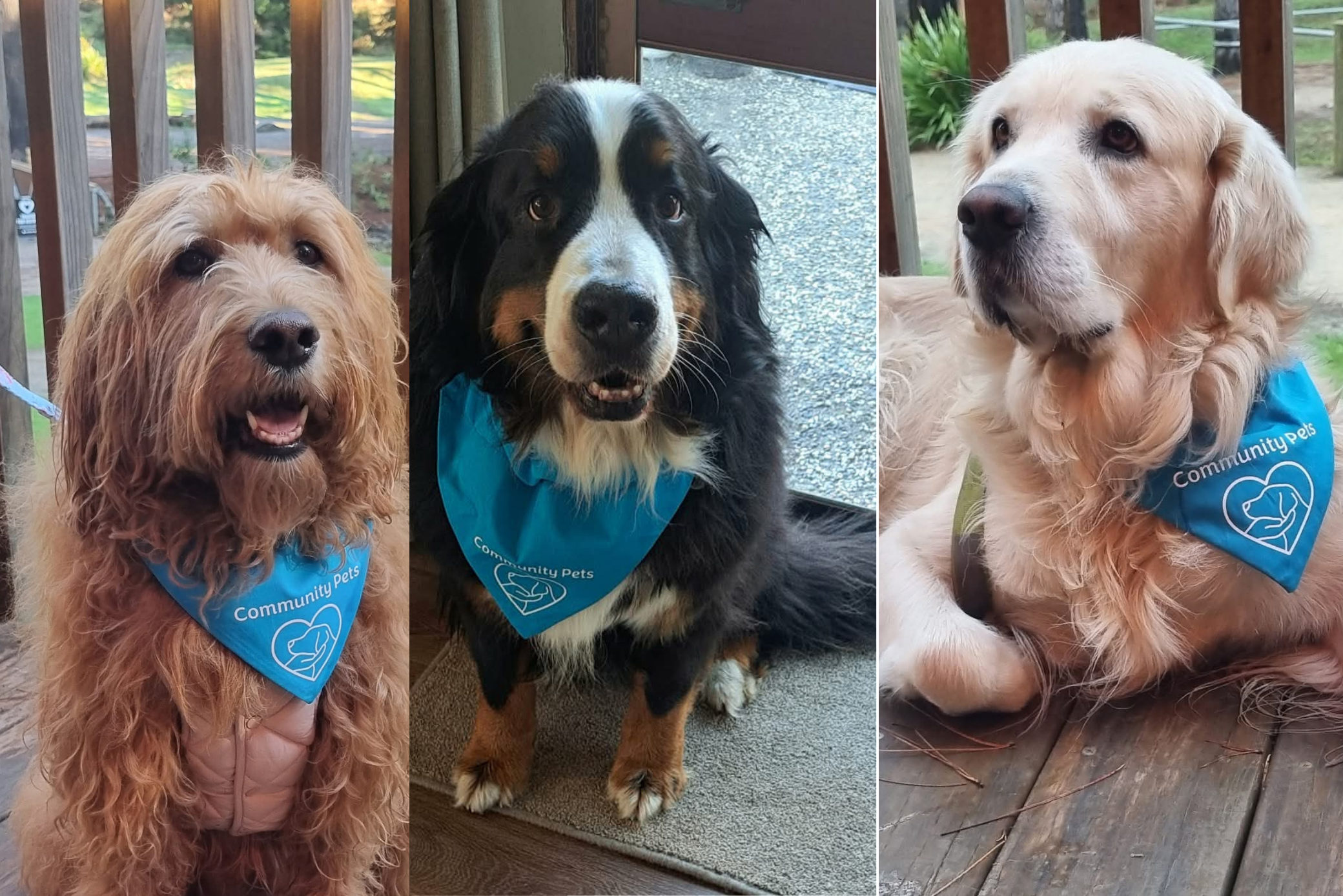
Therapy animal visits to Christchurch hospitals, rest homes and schools have survived the end of St John’s Outreach Therapy Pets programme, with a new charity taking over the service and holding its public launch in Hagley Park this month.
Community Pets Charitable Trust now has 64 volunteers visiting 58 facilities across six regions: Christchurch, Selwyn, North Canterbury, Rodney, Hawke’s Bay and Counties Manukau.
The trust was formed after St John announced last year it would end the programme.
Five volunteers, Heidi Brace, Jo Wager, Fran Barrett, Pam Hall and Jessica Parr, spent months researching and preparing the new charity and are now its board members.
A number of the original Therapy Pets volunteers transferred across, although some were lost when the St John programme was disestablished, board member Fran Barrett said.
St John supported the transfer and allowed the trust to rebrand its existing forms and processes, which were used to move agreements with the facilities already receiving visits.
Volunteers are screened for communication skills and must pass a Ministry of Justice check.
Supplied
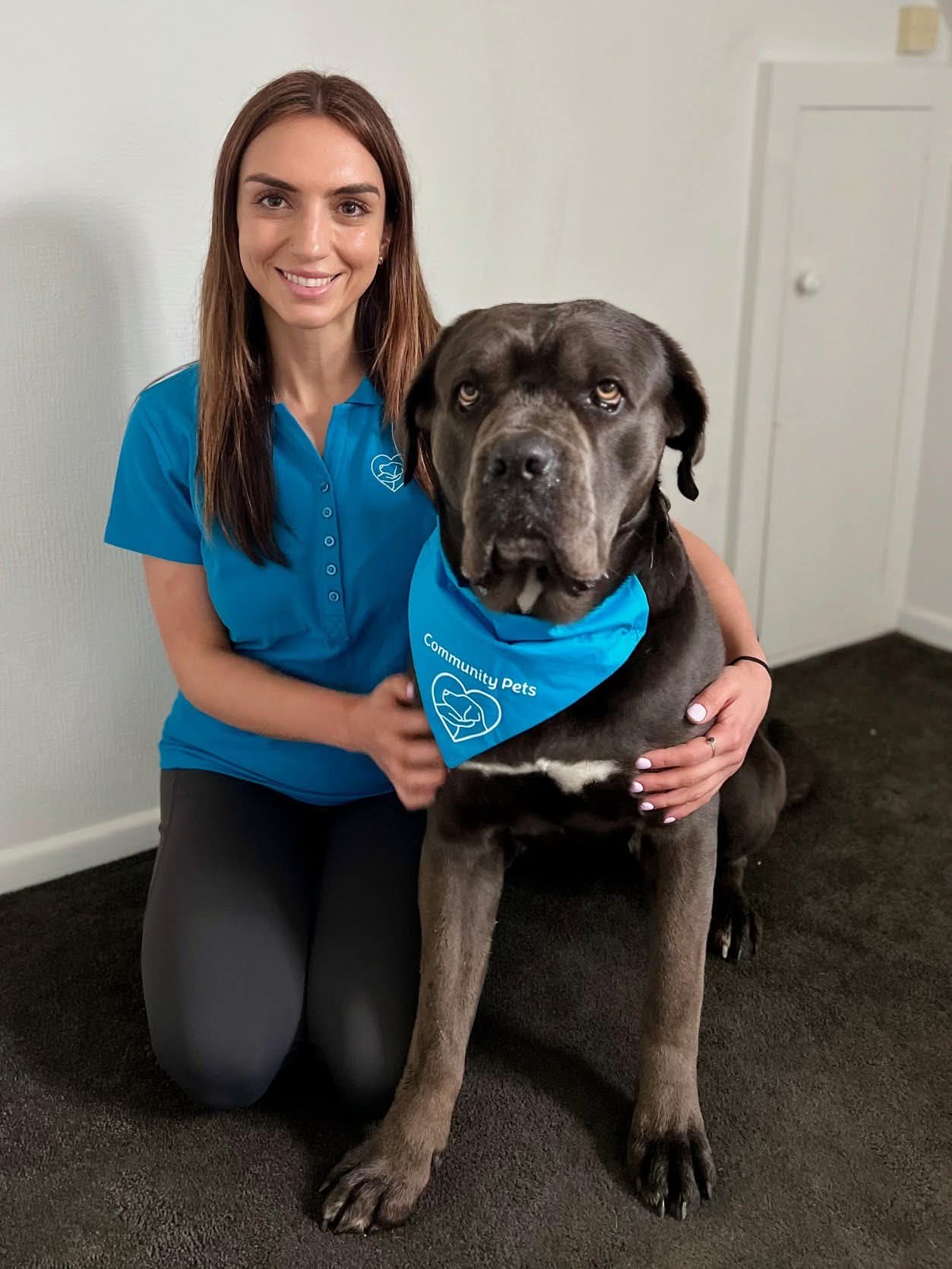
Animals are assessed to make sure they are well trained, friendly and safe.
Most of the Community Pets are dogs, although a horse visits facilities in Rodney.
Teams go into aged care facilities, hospitals, mental health facilities, schools, disability support residences and other community organisations.
Board co-chair Jo Wager volunteers weekly at Christchurch Hospital and at a Selwyn primary school with her eight-year-old labradoodle, Cookie, who helps with the school reading programme, where children reading aloud feel more confident with an animal beside them.
“I love seeing first-hand the comfort, joy and sense of calm Cookie brings to children, young people and adults alike,” Wager said.
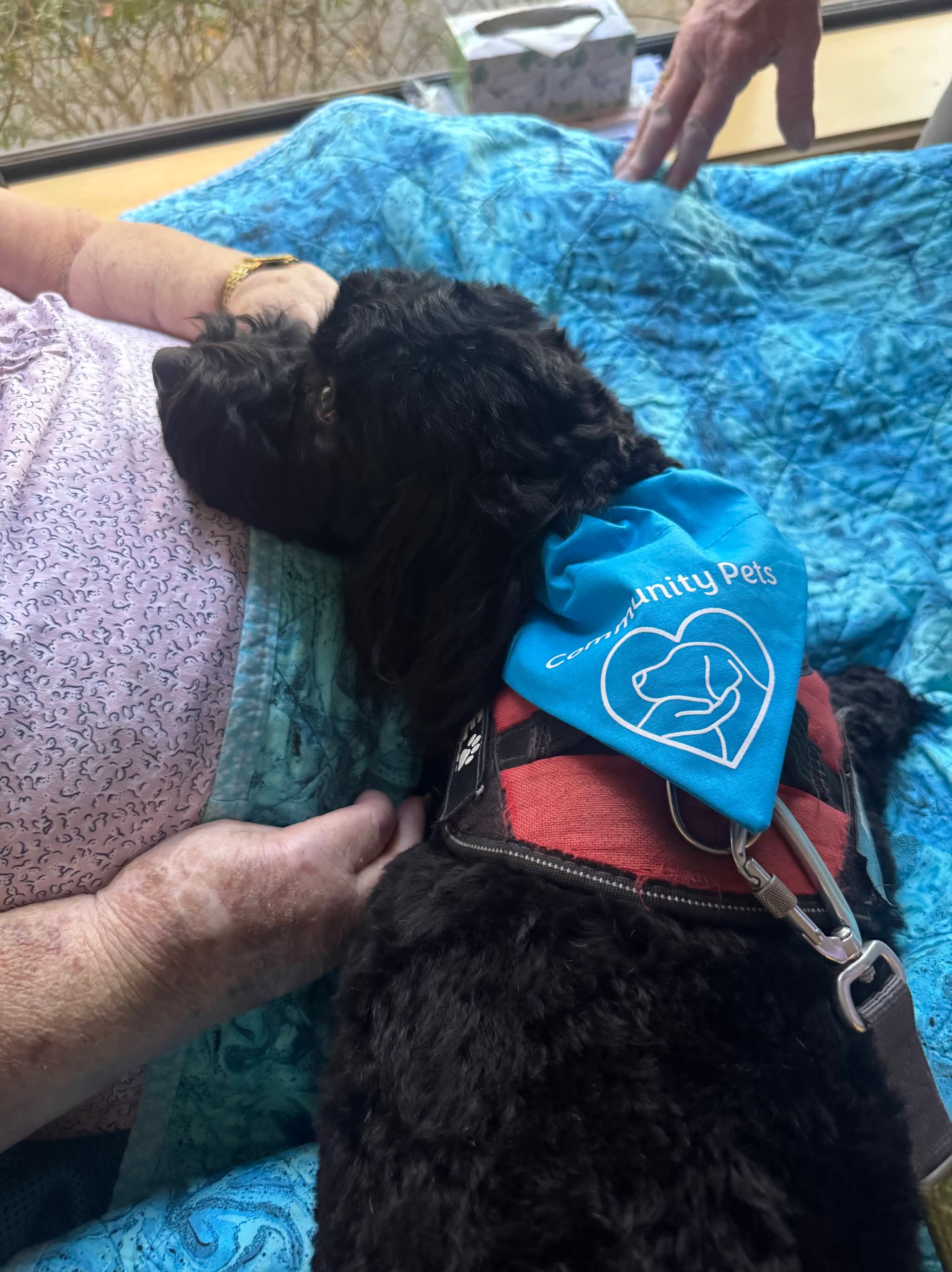
A satisfaction survey run by St John across rest homes and other facilities found the visits had a notable and, in some cases, life-changing effect. One resident came down from her room early only on visit day. For some residents, the volunteer and their pet are the only outside visitors they receive.
Staff described a patient with very little energy and limited interaction with his family who would “come alive” when he was able to stroke and cuddle a dog. One staff member said being able to escape to pat or watch a pet was good for morale.
Supplied
The dogs also help people living with dementia reconnect with memories.
One woman who had previously bred dogs was able to do so through the visits, and residents who find conversation with adults difficult will often talk to the animals.
The trust is now independent and entirely volunteer based, but still carries costs including insurance, uniforms, IT, website hosting and volunteer recruitment.
Facilities are asked to consider a koha towards visits, and donations can be made through the trust’s website. Donors giving $1,000 or more are acknowledged there, and a Givealittle page is being set up for fundraising events.
Community groups can request one-off visits or events, including during Mental Health Awareness Week or at universities during exams. Workplace visits are also available.
The board wants to expand beyond the six regions it covers and is looking for people to help establish volunteer bases in other areas.
The launch is on Sunday 20 September. Volunteers will gather on the grassy area by the Armagh Street bridge in Hagley Park at 12.30pm to meet the public and answer questions, before a group walk around the park. Look for the blue polos and bandanas.
Details are at communitypets.co.nz