Escaped youth tracked by Eagle helicopter, found hiding in New Brighton
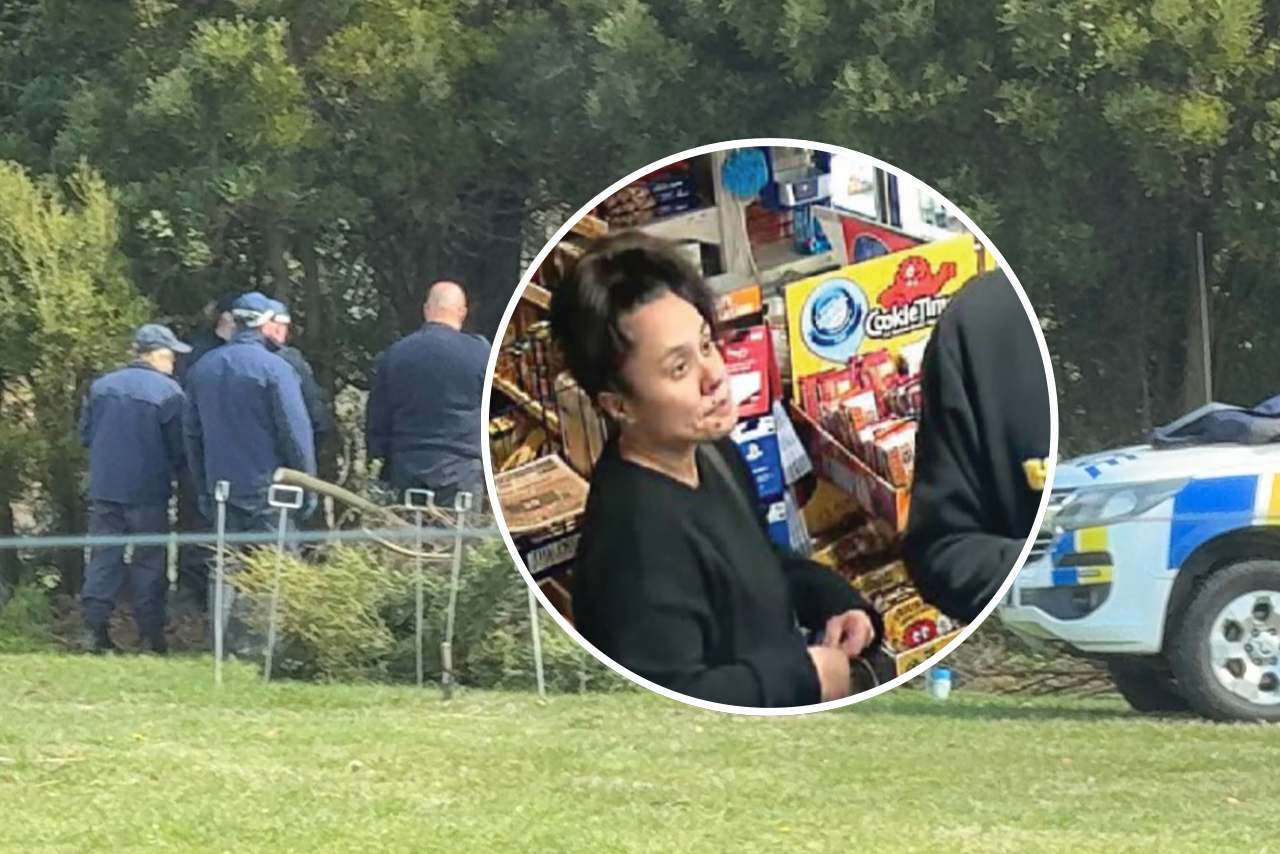
The young person who escaped from a youth justice facility in Rolleston has been located...


The young person who escaped from a youth justice facility in Rolleston has been located...

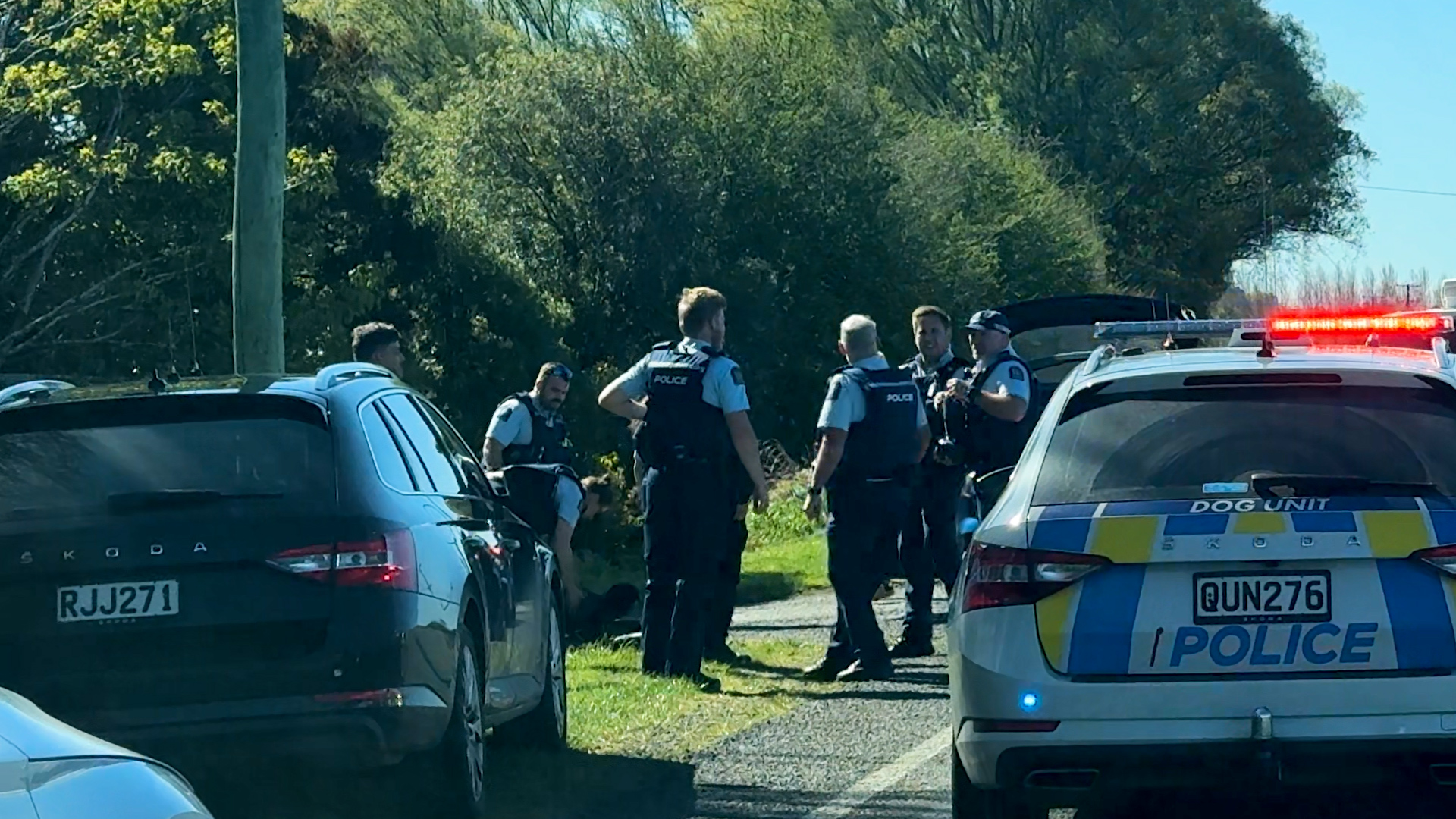
A person has been seriously injured on State Highway 75, Christchurch Akaroa Road. A police...

BodyFix Gym Christchurch in Phillipstown has taken out two major honours at the Exercise New...

Local MPs have found areas of agreement on major Resource Management Act reforms, during a...

A series of public events have been organised across Christchurch and Lyttelton over the coming...

A woman was taken to hospital after a ‘water incident’ at Parakiore Recreation and Sport...

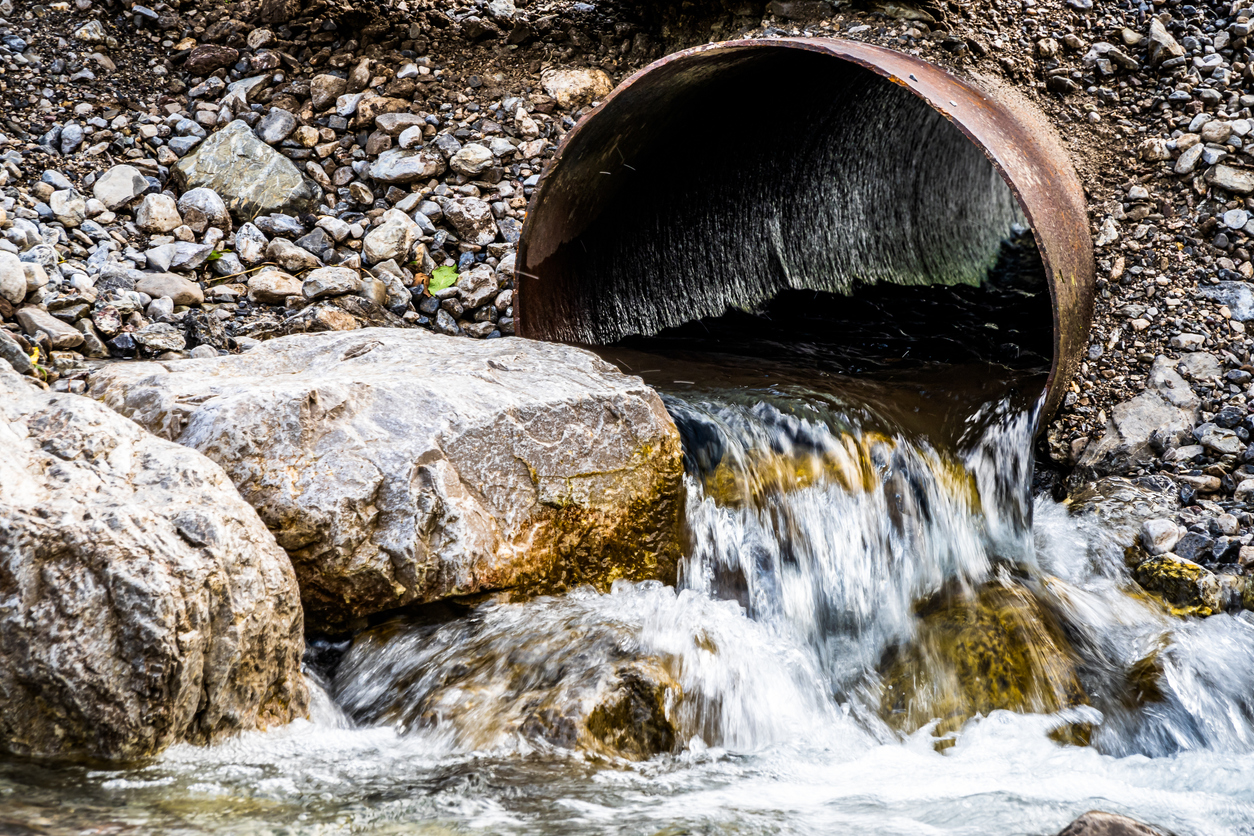
Ngāti Wheke leaders have raised serious concerns over repeated sewage discharges into Lyttelton Harbour and what they described as a failure by authorities to properly notify mana whenua, as calls grow for greater accountability and infrastructure investment.
Te Hapū o Ngāti Wheke and the Rāpaki Tangata Tiaki said the latest incident at Governors Bay involved a delay of about 16 hours between contractors arriving on site and mana whenua being informed, which they said breached agreed communication protocols.
In a joint statement, Chair Joseph Tyro and Chair Tutehounuku Korako said the delay was unacceptable and reflected a broader pattern of inadequate communication and governance failures.
Lyttelton Harbour, holds statutory acknowledgement status and is regarded by Ngāti Wheke as an area of cultural, environmental and spiritual significance. The group said timely notification of wastewater discharges was a fundamental obligation grounded in environmental law and partnership expectations.
The statement also referred to two earlier incidents.
A return valve failure at Sandy Beach on 17 February reportedly led to a significant discharge of raw sewage into the harbour, while an overflow at the Governors Bay Jetty pump station on 16 February discharged wastewater directly into coastal waters.
Ngāti Wheke said they were not proactively notified about those incidents, which they believed demonstrated a troubling lack of transparency.
The concerns come amid ongoing wastewater issues across the harbour catchment, including at Corsair Bay, Diamond Harbour and Lyttelton, which the group said pointed to wider infrastructure pressures and monitoring challenges.
“As Kaitiaki of Whakaraupō, Rāpaki Tangata Tiaki and Te Hapū o Ngāti Wheke expect immediate disclosure of the volume, duration and cause of each discharge, the release of technical data and a full explanation as to why notification protocols were not followed,” the statement said.
Leaders also called for confirmation of remedial actions, a comprehensive review of wastewater infrastructure resilience across the harbour catchment and a commitment to real time communication with mana whenua.
They said the harbour was an ancestral environment and an important food gathering area, adding delayed notification risked public health by leaving people unaware of potential contamination.
A seven day rāhui was issued from 21 February, advising people not to gather food or swim in affected harbour areas during that period.
Korako also released a commentary raising wider concerns about the frequency of wastewater discharges and the risk they could become normalised.
“At what point does repeated environmental harm stop being treated as a crisis and start being treated as routine?” Korako said.
“For Ngāti Wheke, Rāpaki each sewage spill into Whakaraupō is an event of deep consequence. It is not a minor infrastructure failure. It is not an inconvenience. It is not simply a line item in a council report. It is a direct assault on our mahinga kai, our cultural practices, and our inherited responsibility as kaitiaki of this harbour.”
Korako said the diminishing public attention surrounding repeated discharges risked lowering expectations around environmental protection.
“Normalisation is dangerous. It shifts the baseline of what we consider acceptable. Environmental degradation becomes just how things are. Public expectations lower. Accountability softens. The extraordinary becomes ordinary,” he said.
He said Whakaraupō was an ancestral harbour and food gathering area with deep intergenerational significance, and contamination events had cumulative impacts on ecosystems, cultural practices and community trust.
Korako also questioned whether ageing infrastructure and increasing climate pressures were exposing wider resilience issues.
“Infrastructure failure is not an act of nature. It is the result of decisions about maintenance, investment, planning and prioritisation. Ratepayers have a right to know how those decisions are being made,” he said.
Ngāti Wheke said they were seeking a joint meeting with the chief executives of Christchurch City Council and Environment Canterbury and were considering further regulatory and legal options.