Escaped youth tracked by Eagle helicopter, found hiding in New Brighton
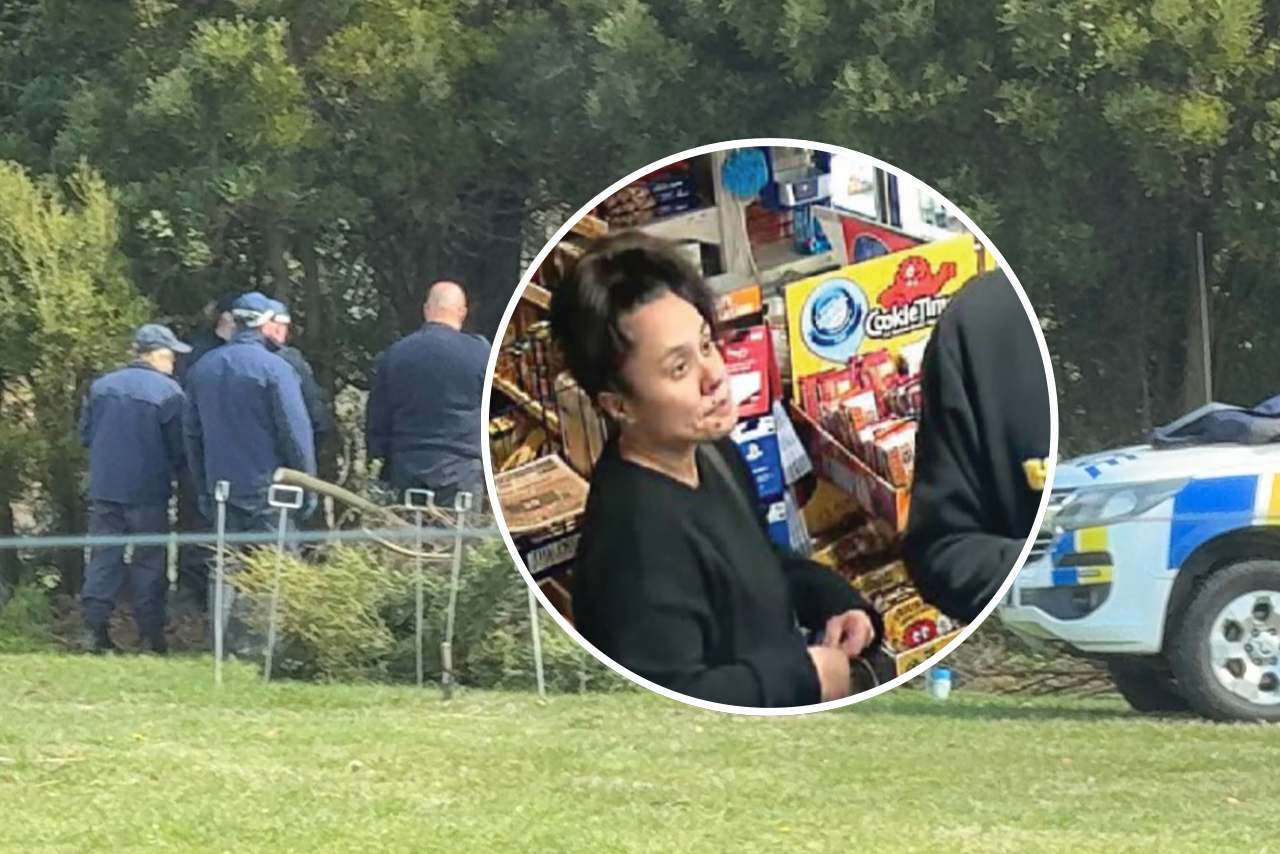
The young person who escaped from a youth justice facility in Rolleston has been located...


The young person who escaped from a youth justice facility in Rolleston has been located...

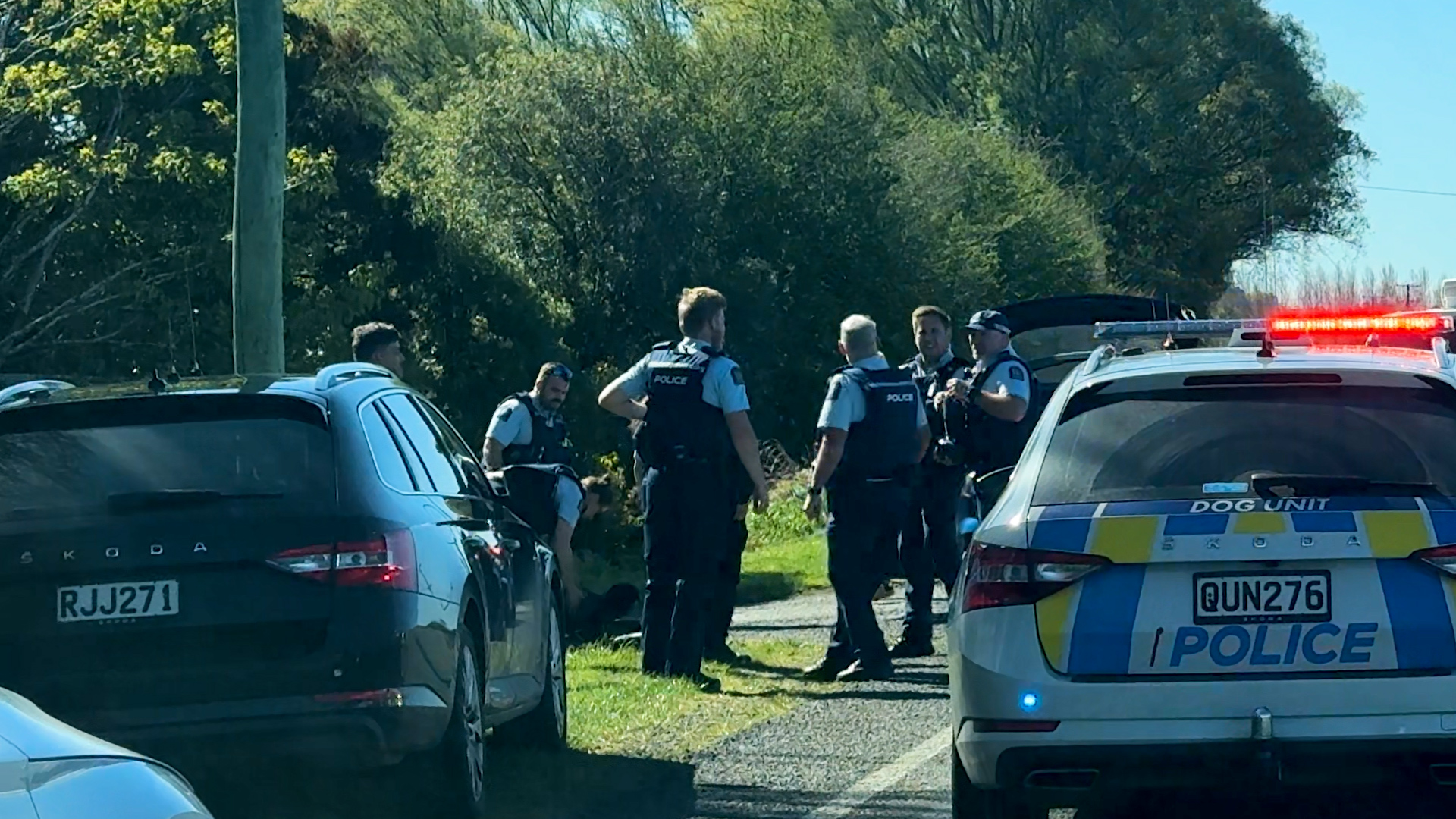
A person has been seriously injured on State Highway 75, Christchurch Akaroa Road. A police...

BodyFix Gym Christchurch in Phillipstown has taken out two major honours at the Exercise New...

Local MPs have found areas of agreement on major Resource Management Act reforms, during a...

A series of public events have been organised across Christchurch and Lyttelton over the coming...

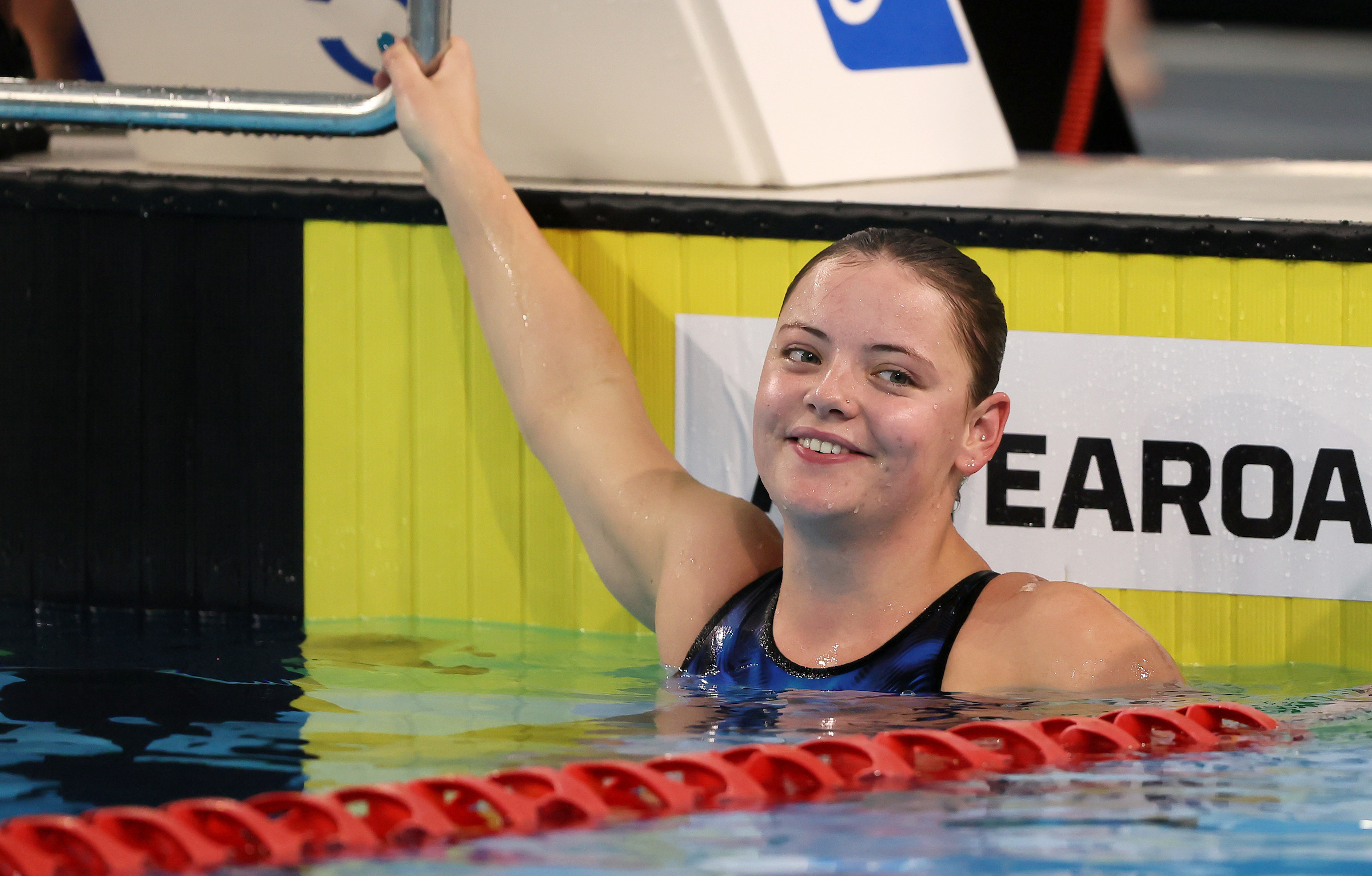
A woman was taken to hospital after a ‘water incident’ at Parakiore Recreation and Sport...

Gaylene Barnes has spent much of her career telling stories she believes others were too uncomfortable to tell. In a wide ranging and deeply personal interview, Barnes spoke about her upbringing, her path into filmmaking, the backlash over River of Freedom, and why she believes the Covid era in New Zealand is far from resolved.
“I refuse to accept that someone’s hate can define a nation,” Barnes said. “I needed to speak the truth.”
Barnes grew up on a carrot farm in Southland, surrounded by cabbages, carrots, potatoes, and hard physical work. She said that environment shaped her resilience and independence.
“I understand what hard work is,” she said. “My parents were very supportive when I left the family farm to go to art school. They said go and learn how to paint.”
Her original ambition was to become a painter, but that changed when she was introduced to video technology while studying.
“We did a session with a videographer who showed us how to use an editing suite and cameras,” she said. “I just fell in love with it. I loved the technology and the creativity together.”
Barnes said combining technical problem solving with creativity suited her personality.
“I loved solving technical problems. It felt like my brain was built for it,” she said.
After art school, Barnes worked in animation and visual effects, including time at Animation Research Limited and Natural History productions. She also produced an animated film that screened at festivals around the world.
“That film went to about eight different festivals internationally,” she said. “It was very technical. I mixed drawings, 3D, and live action. There were about 25000 layers in After Effects.”
Her move into documentary filmmaking came years later, driven by instinct rather than planning. That instinct became overwhelming when the parliamentary convoy protest was announced in early 2022.
“I was standing in front of my sliding door and I was literally shaking,” she said. “I knew I had to go to Bluff and I had to film it.”
Barnes said she immediately understood the importance of capturing the beginning of the movement.
“With documentary, you have to be there at the start,” she said. “That is where the truth is. That is where history begins.”
She filmed the convoy from Bluff through to Picton and then to Wellington, documenting what became River of Freedom.
“That journey was everything,” she said. “It was people from all walks of life saying they had had enough.”
Barnes said mainstream media dismissed the film before watching it.
“They had not seen the film, but they were happy to write it off straight away,” she said. “That happened again and again.”
She said journalists relied on commentators who never attended the protest.
“People like Kate Hannah did not go to Parliament,” Barnes said. “Neither did many of the so called experts. But they were happy to talk about it as if they understood it.”
She said it felt like media and government were aligned.
“There was just this complete wall,” she said. “It was from media and it was from the government. It felt like they were working in sync to shut it down.”
Barnes said protestors were insulted and dismissed.
“They called people names like cookers,” she said. “That is how you avoid listening.”
Despite cinemas refusing to screen the film, River of Freedom reached number one at the box office on a single day.
“We reached number one on a fraction of the screens other films had,” she said. “That told me there was a huge audience who felt unheard.”
Barnes said she still watches the film and remains proud of it.
“It is real,” she said. “It tells a side of the story that was not told at the time.”
Barnes said her political views changed significantly during the Covid response. She voted for Jacinda Ardern in 2020 but said trust eroded quickly.
“I was delusional,” she said. “I believed in social good, but there has to be a balance between the common good and individual rights. That line was crossed.”
She said vaccine mandates were the breaking point.
“A lot of people got vaccinated not for health reasons, but to keep their jobs,” Barnes said. “That is not a choice.”
She said she saw fear replace reason.
“People were not anxious about Covid,” she said. “They were anxious about the vaccine and the uncertainty around it.”
Barnes said she was disturbed by the silencing of doctors and scientists.
“They shut down anyone who questioned it,” she said. “That should have alarmed everyone.”
Her new online series The Tribute focuses on people who say they were injured by the vaccine and then ignored.
“One man told me he recovered physically, but what he lost was trust,” she said. “Trust in government and trust in medicine.”
Barnes said the long term consequences were still unfolding.
“The people who suffered under Jacinda Ardern’s regime are still suffering,” she said. “That did not end when the mandates ended.”
She said accountability would come eventually.
“The time for accountability is going to come,” she said. “It might be later, but it will come.”
Barnes was blunt about Labour leadership.
“We cannot have Chris Hipkins as prime minister,” she said. “His signature was on the Covid orders. He has not accepted his role in the harm caused.”
She said history was already being softened internationally.
“I worry about her delusion,” Barnes said of Ardern. “For her to present herself as kind and empathetic while ignoring the harm caused is deeply concerning.”
Barnes said losing friendships was part of the cost of speaking out.
“Yes, I lost friends,” she said. “If people believe mandates were a good thing, I have serious questions about their principles.”
Outside filmmaking, Barnes lives a largely self sufficient life. She makes her own cheese, butter, yogurt, and keeps animals.
“I like hard work,” she said. “I like having control over my life.”
She said that grounding helped her withstand criticism.
“The most dangerous people are those who know something is wrong but go along with it anyway,” she said. “That is how you end up in highly controlled societies.”
Barnes said silence was never an option.
“I needed to speak the truth,” she said. “Even when it was uncomfortable.”
The full interview is part of Let’s Meet for Coffee, proudly supported by Black and White Coffee Cartel.